
Is the Classic Car Market Cooling?
Older collector cars are losing their traditional buyers. The classic car market is changing.
Classic cars from the 1950s, 60s and 70s long ranked among the best collectibles. But something has shifted in the market. What does that mean now for owners and prospective buyers?
This isn't a crash, more of a slow cooling, and it isn't happening evenly. Should the average owner worry that their early Porsche 911 will fall to €20,000? Certainly not. Will it keep climbing from its current value? That’s less certain.
What the numbers say
According to available reports, the Hagerty Market Rating, which tracks sentiment in the collector car market, fell in January 2026 to its lowest level in almost 15 years. A German classic car market analyst reports that prices are on average about three percent lower than last year and dealers are selling fewer cars. Even so, he doesn't consider the market dead.
The weakest segments are ordinary classics in average condition, pre-war cars, and classics whose appeal rested on the nostalgia of an older generation. By contrast, rare cars in top condition and performance cars from the 1990s and 2000s are reaching new highs.
Why fewer and fewer people are buying them
The main reason is simple: the traditional classic car buyer comes from the generation that grew up with these cars. That generation is gradually aging, selling off collections and downsizing. Younger collectors, who have the money today, grew up with different cars. Those who had posters of the Jaguar XJ220 or the Lamborghini Murciélago on their walls in the 90s now buy youngtimers, not 1950s Ferraris.
Still, the overall picture isn't entirely clear-cut. It’s obvious that many cars from this era are falling in price, but not every car will be affected. The shift towards newer cars shows up in both demand and prices, but a Lamborghini Miura won't suddenly drop below a million euros.
What this means for the buyer
A falling market does not mean every classic will get cheaper. Instead, the gap between good and average cars is widening:
- Cars with history, documentation and rare specification hold their value or appreciate.
- Average cars in average condition take longer to sell and fetch less.
- Youngtimers from the '80s to the 2000s are the most sought after today among younger buyers.
So when buying a classic, the specific car matters more than ever: its year, condition, originality and documentation. A classic car's price can only be judged by comparing it with similar cars and understanding what drives its value. That said, some cars that meet none of these criteria keep rising in price regardless.
How to buy a good example
When looking for a classic car or youngtimer, we recommend:
- Verify the history and originality, not just the condition in the photos.
- Compare the price with actual sale prices, not listing prices.
- Assess whether the individual car is interesting, or just old.
Of course, it's rarely that simple. There is no single recipe for buying the right car; each one is different. At RENNscout we help with finding and verifying special cars, classics, youngtimers and other interesting models. If you are thinking about buying, we will independently assess a car or find one to your specification.
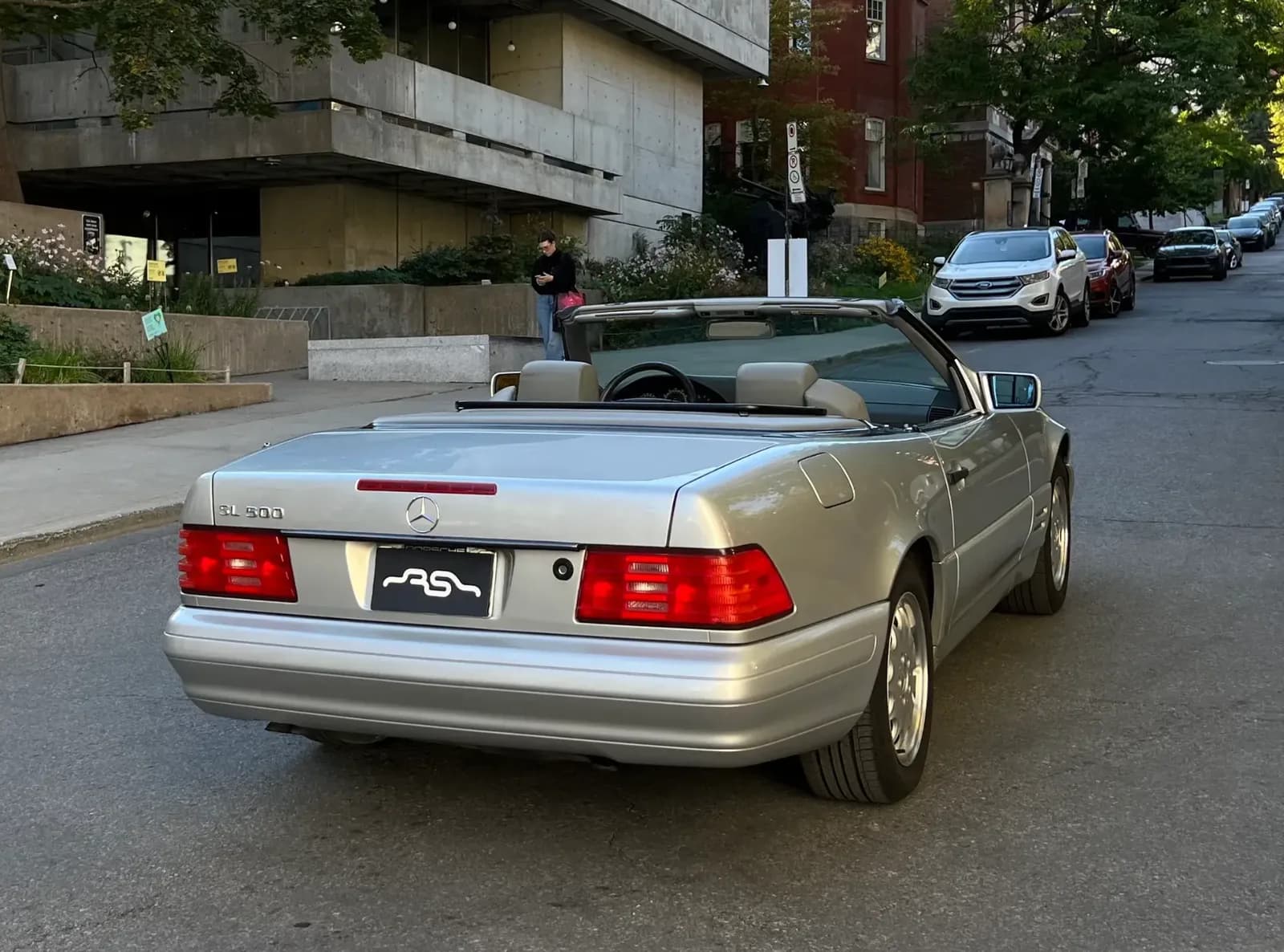
This year, for example, we found two R129-generation Mercedes-Benz SL500s for our clients. Although more than 200,000 R129 SLs were built, their prices are steadily climbing. Since both purchases about six months ago, the market for these cars has risen by more than 20% and is still going up. Both clients are very happy with their cars, and we're now searching for a third for another client.